
Clinical case · Dentistry
Severe periodontitis
How can incorporating genetics and epigenetics improve the management of persistent severe periodontitis?
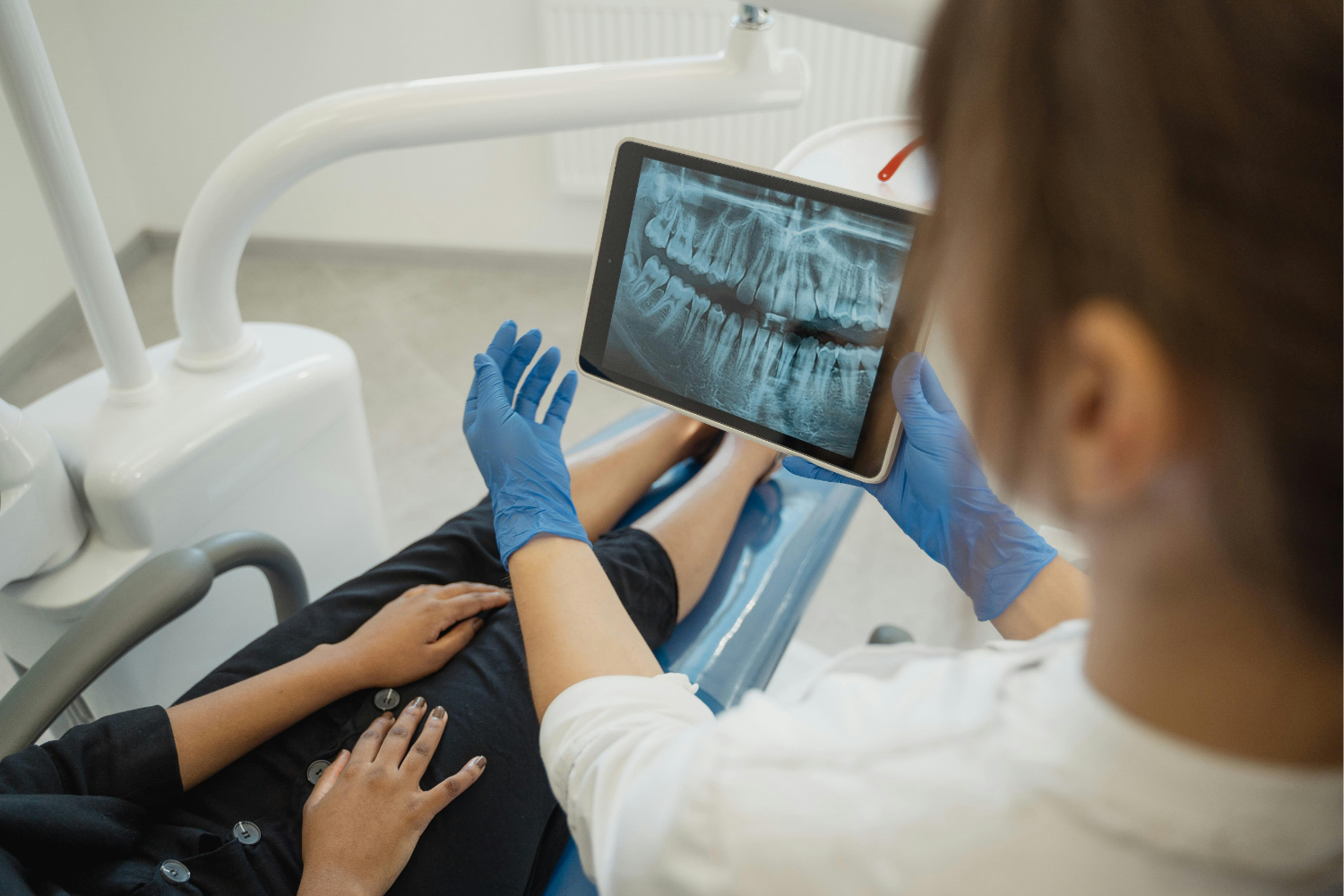
The clinical context
In my clinical dental practice, I treated a young patient, Yasmina, aged 7. She presented with severe periodontitis with a very early onset and no obvious aetiological factor.
Despite dental care in line with recommendations and rigorous oral hygiene advice, the clinical course remained unfavourable, with persistent inflammation and rapid deterioration of the supporting tissues.
Faced with this atypical presentation in paediatric dentistry and the lack of response to conventional treatment, I chose to investigate the diagnosis further by requesting a genetic test to explore a possible underlying systemic or genetic cause.
Identifying a rare disease
Genetic testing identified a moderate form of Papillon-Lefèvre syndrome in the patient, a rare hereditary disease known for its severe, early periodontal manifestations. This aetiological diagnosis profoundly changed the treatment strategy.
Care could be tailored specifically, including targeted antibiotic therapy, close periodontal follow-up and enhanced prevention. Above all, the discovery enabled early screening of her siblings, paving the way for proactive monitoring and effective prevention of dental complications.
Without this genetic investigation, these children would very likely have experienced early tooth loss, with major consequences for chewing function, appearance and quality of life. This clinical case provides a concrete illustration of the growing importance of genetics in diagnosis and care in modern dentistry.
Genetics and epigenetics applied to dentistry
This clinical experience strongly reinforced a fundamental conviction: training in genetics is now essential in dentistry to offer patients more precise, truly personalised and firmly preventive care.
Beyond improving diagnosis and treatment protocols, genetics helps put patients back at the centre of care, supporting dentistry that is more humane, more predictive and more respectful of each person’s biological individuality.
C’est dans cette dynamique qu’ADN Academy a développé une formation dédiée à la génétique appliquée à la dentisterie. Conçue pour accompagner les chirurgiens-dentistes dans l’intégration concrète de cet outil innovant au cœur de leur pratique professionnelle.
The aim is to understand better, anticipate better and provide better care, drawing on the scientific advances that are transforming modern dentistry today.
The practitioner explains
Genetics & dentistry on video
An explanation by Dr Clotilde Neyra, dentist, Managing Director of ADNAcademy and author of the Genetics & Dentistry course.
ALPL mutation (alkaline phosphatase)
A young child presents with premature tooth loss without obvious signs of periodontal inflammation.
Genotyping could reveal a mutation in the ALPL gene and therefore a deficiency in the enzyme alkaline phosphatase. Appropriate treatment could then be offered.
Explore further
Get the detailed programme
Explore these topics further with the Genetics & Dentistrycourse. Discover its content and speak to the ADNAcademy team.